
Search Results for “{search_term_string}”

Seed Stories: Advocating for civility in uncivil times

It seems like only yesterday when I became a part of the Seeds of Peace community. In fact, it was last summer.

Camp was an experience that I found inspiring and in some aspects, almost unbelievable. Assembled together were a spectrum, a blend of opinions and beliefs, each so different and unique, yet somehow we found a way to live not just agreeably, but harmoniously, with each person having the heart to empathize, listen, and reach out to someone who is the complete opposite of what they stand for.

Even when there was conflict, when misunderstanding arose, people were willing to use conflict as a way to sharpen their outlook while respecting the humanity of those around them, rather than using hatred and bigotry to sow chaos.

The whole experience however truly crystallized itself for me on the last day of the session. That was the day when I saw people who had originally resented each other embrace one another with tears in their eyes; when people, whose strength and tough resilience made me wonder if they had ever in their lives shed a tear, began to cry. That was the day I learned my big lesson: that unity and love are one of the few things you can’t force on people.

I learned that day that hearts are won and people are healed not when you win a debate or build a wall, but rather when you make a bridge and take your fellow brother by the hand. I was sorrowful when I left Camp because I thought that this lesson I had learned would be left behind in Maine, but I realized that this was a lesson that could spread its roots anywhere and everywhere.

The times we are living in have been referenced by various names, but as someone that has always been interested in facts, the term “post-truth era” has always stood out to me. It’s a phrase that I believe captures the essence of a root harm that is corrupting our country and the democratic values it is grounded on.

From what I’ve learned, a democracy in its purest form ultimately must be centered on truth. How that truth is reached of course is an ordeal and a struggle, but that is the nature of such an endeavour. We are meant to communicate with others, because truth in its completeness has various aspects of it present in the various ideals valued by various people. The only way the full image can be painted is when we use our knowledge as means to extend what we know to others and receive what they extend to us.

As a concerned student in a nation of much concern, I created a club for civil discourse in my school because I have seen that not only is civil discourse valuable, but that few spaces really allow it.

Our country has become so increasingly polarized to the point that people no longer are concerned about what the facts are, as long as those facts support them. Ideology no longer is a means for truth, but truth a means for ideology. That effectively kills truth by making it subjective and relative. It divides people and imprisons them in their own bubbles.

The purpose of the club is to empower young people and motivate them to engage in self-education and constant inquiry out of a passion for truth, to hear those who may have a different view, not so that they can enter into an argument, but so they can ask question, discuss, and have a better understanding of the topic.

The club works simply enough. We begin the session with a rundown of some of the biggest issues on the local, national, and international level in that given week. After the summary is done, a couple questions will be posed to initiate dialogue.

Dialogue in such a setting is members expressing their political opinion on different policies and issues. When various members set forward “clashing” points of views, I invite them to ask questions of clarification on the matter rather than trying to prove the other outlook as wrong.

The dialogue can also be a personal experience should members bring their own life stories to the discussion. This gives people the opportunity to participate in the humanizing element of discourse and the vulnerability that comes with it. It also gives people a chance to offer genuine constructive criticism and input about the things that go on in school and in their everyday lives.

The club is only a couple months old, but the signs of influence are clear. Students are slowly becoming more open to hearing different views. People are more interested about hearing the news and discussing current events with friends at lunch. Students that are usually quiet are more confident and are active in the dialogue setting.

Ultimately my vision for this club is for it to grow and spread into other schools, regardless of whether they are public, charter, or independent. My vision is to create a multi-school alliance of passionate leaders from diverse socio-economic and racial backgrounds that can lead a student system for civil discourse on a grand scale. I have seen this interest already sparked in other schools, and have recognized that this is a foundation for the countless students who, in a matter of years, will comprise the next generation of voters and decision makers in this country.

Thanks to the training and ongoing support of Seeds of Peace, I think this is a real possibility to be achieved.

As Robert Kennedy once said: “Each time a man stands up for an ideal, or acts to improve the lot of others, or strikes out against injustice, he sends forth a tiny ripple of hope, and crossing each other from a million different centers of energy and daring, those ripples build a current that can sweep down the mightiest walls of oppression and resistance.”

Today we can all be that current.
Fighting to save fellow Indians, one #COVIDSquad at a time

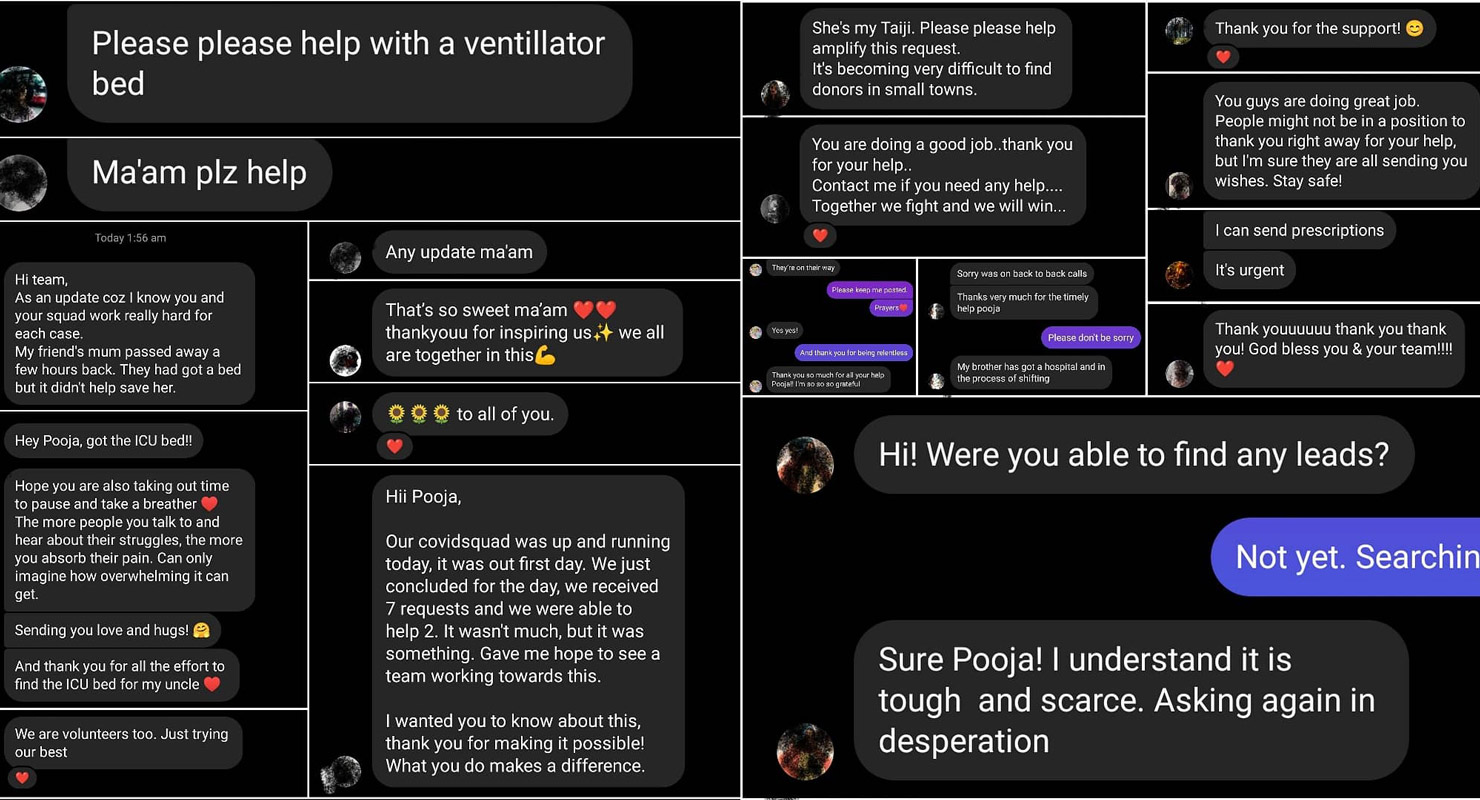
The requests roll in one after another like silent prayers: “Please try hard. Please, please.” “Ma’am, plz help.”

They are desperately looking for ICU beds, oxygen, medical care for COVID-stricken family and friends, and as India’s medical system is swamped by the virus, they turned to social media as a last resort—forced to plead with strangers like Pooja (2018 GATHER Fellow) for miracles.

Pooja is not a deity. She’s not even an authority figure, or a government official, but for the past two weeks she and an army of young Indian volunteers—dubbed the #COVIDSquad—have been stepping in to connect sick Indians with the resources that they urgently need.

“The government completely failed us, and now a bunch of 20-year-olds are literally saving lives,” Pooja said. “I’m convinced I live in a dystopian thriller.”

Perhaps that alternate reality would be preferable: Movies are predictable; life in a pandemic is anything but.

Since 2017, Pooja has been well known around Seeds of Peace, doling out hugs and teaching dance as a beloved counselor at Camp, participating in the GATHER Fellowship and inspiring many in the Seeds community with Letters of Love, a nonprofit she founded that connects children around the world with peers in refugee camps.

Coordinating life-or-death medical requests was never in her trajectory, but when a stranger reached out to her on Instagram for help finding an ICU bed, she used her platform to broadcast a call for help to her more than 22,000 followers.

One of those followers, a data scientist, took notice, sifted through information on Twitter and Instagram, and reached out to Pooja: “She said, ‘Hey, I cross verified this lead, and I think this would work,’” Pooja recalled.

And so was planted the idea of the #COVIDSquad, a small, organized team of volunteers who would use social media to resolve requests from friends and family of COVID patients.

With a knack for ideating, setting up, and implementing systems, Pooja sent out a call for volunteers, and quickly formed a team of eight people—all complete strangers from social media. Each person is assigned a role either coordinating requests, sifting through data to find leads, or verifying the leads.

She found that small teams worked most efficiently, so she developed a guide to help other volunteers form their own COVID Squads. To her knowledge, at least seven others have been formed based on the model, and she’s learning and perfecting the system daily as the virus continues to spread, with no relief in sight.

The strain on India’s healthcare system has translated to dire circumstances for anyone in need of oxygen, ICU beds, and essential medicines—even doctors were unable to tell patients where to receive intensive treatment. Social media became the best bet, with hospitals, private vendors, and medical supply companies often using Twitter to announce availability or to ask civic groups for help.

In one case, a prominent hospital sent an S.O.S. on Twitter, announcing that in a few hours, they would no longer have enough oxygen for 100 or so patients on ventilators. Pooja, along with many other volunteers, began a mad dash to secure oxygen tanks, a complicated and suspenseful endeavor that involved run-ins with police, engaging lawyers and local authorities, and the oxygen finally arriving at the hospital with just 30 minutes to spare. It would seem like something out of a cinematic thriller if it weren’t becoming the daily reality in highly affected cities like Bangalore and Delhi, Pooja said.

Her squad typically receives 30 to 35 requests a day, mostly from other young people assisting their family or friends. A good day involves resolving half of the requests—but really, Pooja said, “there are no good days.”

“There’s no success in any of it, we’re not solving for the problem, we’re just finding the pathway to the solution—perhaps. This is not a sustainable intervention. It is rather a war room of emergency requests—ad-hoc, chaotic and volatile. It’s a stopgap until the government establishes a centralized system and provides aid. However, I’d call it a good day when I feel the collective mental health of my team is ‘O.K’.”

The volunteers are mostly in their early 20s, either fresh out of college or having only worked corporate jobs. They haven’t worked in situations where logging off their laptops, or going to sleep for a few hours, is literally a life and death situation.

It’s an incredibly heavy burden for any person to bear, and Pooja makes no attempt to hide the anger that being in this position with her Squad brings her.

“I’ve often worked in high-stress environments out of love—because I love the job, I love the impact that I’m making, all of that, but over here, that’s not the case. Sure, I work with commitment and compassion and being very aware of the privilege and power at my disposal, but I also work with a lot of rage because I’m being made to do this, and so are these volunteers. I’m angry because I have no choice in the matter, I truly have no choice.”

The rage pushes her to keep fighting, and her actual job—with the Community Arts Network, which she helped launch on April 27—reminds her of the future that she’s fighting for: “Research shows that after a period of crisis, community arts is one thing that helps you rejuvenate and ushers you into a period of growth again. So basically, with CAN, I’m preparing myself and everyone else for a time when a new normal is here and we get to rediscover and explore our humanity.”

At some point tonight, Pooja and the volunteers will eventually turn off their phones and shut their laptops, knowing that requests will go unanswered, and that people may die because they couldn’t help them. They’ll get up and try again tomorrow, hoping to find life-saving leads, but recognizing that in most cases, the best they’ll be able to offer won’t come in the form of medical care.

“I think what we are doing, as important as providing a verified lead, is also the sense of community for that one lone friend or family member who is trying their relentless best to find help in a very broken system,” she said. “It’s, ‘Hey we’re there with you, or we will try with you. You’re not the only one calling these helplines frantically, we’re there with you.’”

Looking to help? Pooja would love to hear from Indian Seeds who want to lead their own COVID Squad! You can find her at @pooja.pradeep on Instagram. For those outside India, Pooja’s team has personally verified, vetted, and partnered with a small-scale fundraiser—Donate Oxygen India—to provide immediate and long-term solutions to the oxygen shortage crisis.

From tolerance to appreciation: Inside the Indian Interfaith Camp

Every year, we host a program in India that brings the Seeds of Peace Camp experience to those who may otherwise never set foot in Maine.

For six days, 50 young leaders from different religious and cultural backgrounds build relationships with one another, engage in facilitated dialogue, and form alliances beyond traditional identities at our annual Interfaith Camp, located 150 miles outside of Mumbai.

At the core of the camp is a deepening of one’s self-awareness about their faith. It provides a space where teens can ask themselves a range of questions: What does my faith mean to me? How much of my faith is mine, and how much of it is imposed or borrowed? How much does it defines me? How much is it expressed in my actions? When am I in conflict with my religious identity? What are my prejudices against other religions?

Early in the week, we did a dialogue activity that brought up a well of emotions. Like dominos, each participant’s guard fell one after another, yielding to vulnerability and deep sharing. You could see the release of tension in their bodies—it was physically therapeutic for them. The kind of trust that was built by the bonding they experienced in just one hour was magical.

During this activity, one girl who started weeping said it was the first time she had shed tears in over four years. For so long, she told us, she had this toxic idea that to be “strong” meant burying her emotions, telling herself, “I won’t cry, I won’t cry, I won’t cry.” Until that moment, she had not even processed how much she had closed herself off to life—of how little faith she had in her inner strength, or in the richness and complexity of her own feelings.

At first, she thought she was crying out of a feeling of helplessness. But as she continued to share and explore over the course of the camp, she realized she was feeling overwhelmed by the fact that she felt more comfortable and safe crying in front of people she had met only six days before than with some of her closest friends back home. She had never expected to be able to trust and become so attached to people that she had just met.

To me, this reinforced the need for empathetic spaces where young people can share bravely, and the special power that they hold. There’s such a lack of these spaces in society, places where people can go deeper and explore their identities in ways they can’t elsewhere, without fear of judgment or shame.

If there is just one thing that these incredible teens take away from the camp, I hope it’s a widening of their understanding of the term “faith.” When they arrive, participants think faith is interchangeable with religion. But while religion is cultural and shared, faith is uniquely personal. You can express yourself and your faith in a sport that you play, in the skills you have, in the life choices you make, the clothes you wear, the food that you eat. To explore the totality of your faith is to explore the totality of yourself.

I also hope participants leave with an understanding of the asks each person has of other faiths. If I practice Jainism, for example, rather than try to impose my belief or lifestyle on a meat-eater, I can learn to appreciate that what works for me, works for me. Rather than being mad at someone else for eating meat, I recognize that we are different people, with unique histories, religions, experiences. There are reasons why people have a certain kind of diet different from mine.

In that sense, the entire camp is about moving from tolerance to appreciation: appreciating why a diversity of beliefs is needed to create a strong, engaged community of changemakers, and celebrating that diversity even if you don’t agree with every part of another’s beliefs.

I will always be grateful that, through my role in the Interfaith Camp, I can provide this much-needed space for growth and reflection.

An “inspowered” kick-off to the 2019 GATHER Fellowship

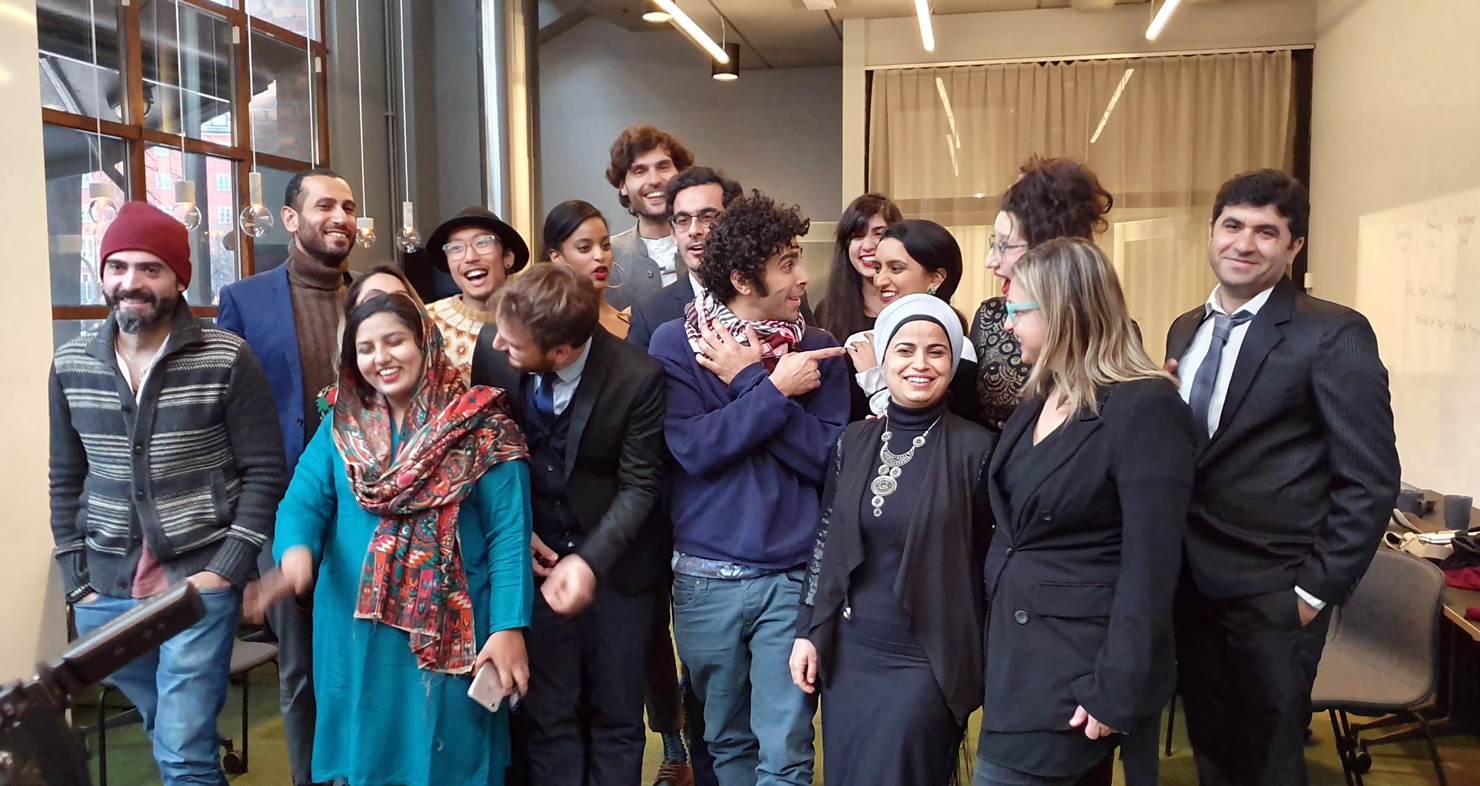
What happens when Egyptians, Israelis, Pakistanis, Palestinians, Americans (two by way of Romania and Rwanda), a Turk, a Tunisian, a Jordanian, and a Canadian (now living in Mexico) meet up in Sweden?

They coin a new phrase.

The term “inspowered” may have arisen by accident through the kind of exhaustion that comes after a week of intense project and community building, but the Fellows immediately adopted it as their own. Because inspowered (a combination of inspired and empowered) is exactly what they were feeling by the end of their time together.

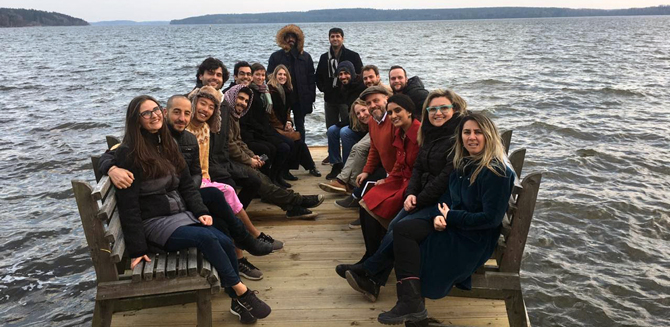
The 2019 GATHER Fellowship incubator began in Sigtuna, a small, lakeside village an hour’s drive from Stockholm. It was there that the Fellows met and began to learn about each other’s lives and life’s work. Through a needs mapping exercise and a candlelit personal storytelling session, the 16 social innovators began to realize that while leading change can be lonely work, they are not in it alone.

They participated in a storytelling and marketing workshop that prepared them for a speed-dating style pitch session with graduate students from Uppsala University, the Nordic region’s oldest university and one of the finest in the world. The students, who are studying conflict transformation, posed many questions to the Fellows, and were grateful to see real-world manifestations of their studies.

After two days, the Fellows departed Sigtuna for Stockholm, and spent the next morning at Parliament, learning the nuances of Swedish government and meeting with four members of Parliament who graciously answered questions for an hour and a half.

After lunch, they spent time in a co-working space called Norrsken House and discovered that social entrepreneurs are treated like rock-stars in Sweden. At Norssken, the Fellows explored new frameworks for utilizing the engine of business to power social change.

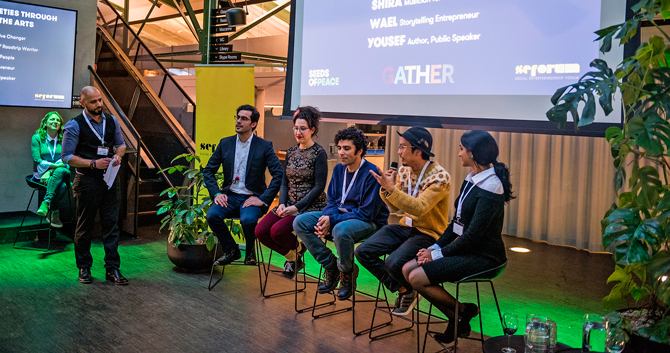
Fellows met in small groups to workshop their projects and support each other, and they also met one-on-one with Seeds of Peace and SE Forum staff who could advise them on specific issues. On the final night, they demonstrated both thoughtfulness and thought leadership as participants in a series of panels: changing societies through storytelling and the arts, creating platforms for systemic change, bridging differences through education and dialogue, and empowering marginalized communities through enterprise.

Saying goodbye was not easy. But the Fellows will meet again—every week in fact—on video check in calls. They will continue to “inspower” each other, and over the course of the fellowship, we will shine a spotlight on each of them and their projects. So stay tuned … you just might become inspowered yourself!

Follow the Fellows: A tempest for change

In every force of nature—a thunderstorm, a blizzard, a wildfire, a tornado—there exists the possibility of destruction, as well as the opportunity for change.

So when an abundance of childhood energy earns you the nickname “The Hurricane,” you can try to suppress that force, or you can channel it for good.

“Maybe I had more energy than people around me knew how to hold. I often felt like my energy was used as a weapon against me, like, ‘hey, calm down, sit down,’ but I don’t see it as a negative thing anymore,” Monica, a 2019 GATHER Fellow, said. “It was just a lack of creativity on other people’s part.”

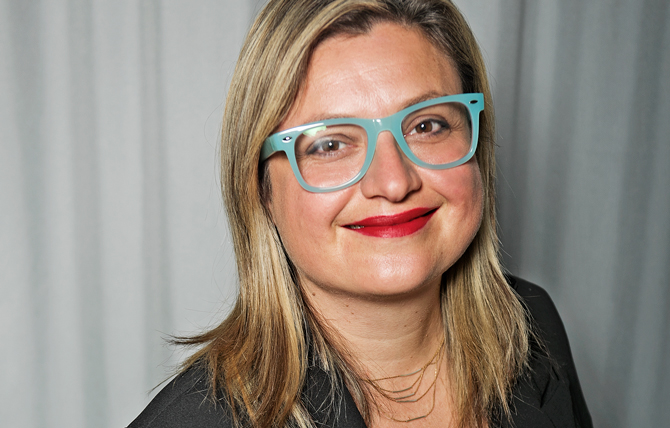
There is no shortage of creativity in the ways that Monica is using her energy to make change today. As a founder of the nonprofit group Activate Labs, she is essentially using every tool she knows to shift power.

Whereas much of the work done around humanitarian aid or international development focuses on things like food, clothing, jobs, and shelter, Monica’s interests lie in addressing the needs that can’t be seen or touched.

What that looks like in person can vary, but it typically means showing up—always by invitation of local people or organizations—to the frontline of a community impacted by violence, trauma, or conflict. There, the process is guided by design thinking to develop a peacebuilding process that puts the people who would be benefiting from a program or service at the heart of creating and implementing the solution. In short, they’re focused on helping communities take back power over their shared futures.

“Having agency is just as important as giving them technical skills like building capacity. All of that is fine, but the confidence of knowing that you have the power to solve your own problems—to have that control of your world, that vision of your own future—not a lot of people have that, especially people who have experienced violence or oppression,” she said.

“The key to our process is that we consider non-tangible human needs, like belonging or community, nurturing relationships, transcendence, freedom and power in your own world. We believe that when these things are met, then you can actually work in the community to find jobs.”

In some places, this may be in the form of workshops and trainings. Such projects have included transformative leadership training sessions for over a thousand women in Mexico, as well as working with Get Up and Go Colombia—a group that promotes tourism in parts of Colombia that were affected by armed conflict.

For the latter, Activate Labs was contacted to co-design a peace process for a group whose expertise wasn’t in peacebuilding, but that wanted to take a human-first approach to addressing unemployment, a problem that is shared by all those impacted by the country’s civil war. The workshop began by bringing together 45 ex-combatants, as well as those who had trouble finding work because they had been displaced, injured, or in some way affected by violence, and worked toward giving participants the ability to name the problems in their community, and decide what peace tourism and working together could look like.

“There are a lot of solutions to unemployment, but this is a chance to create something together from the beginning—to seek buy in early on and build community,” she said. “People are able to define their own problems and lead their own change, and for peace that makes the most difference because it’s all about shifting power.”

SPACE FOR PEACE

Before peace design takes place, it’s often preceded by another of Activate Lab’s specialities: a peace activation, a peacebuilding response to crisis, violent conflict, or social disruption where the focus is placed on the needs that can’t be seen or touched.

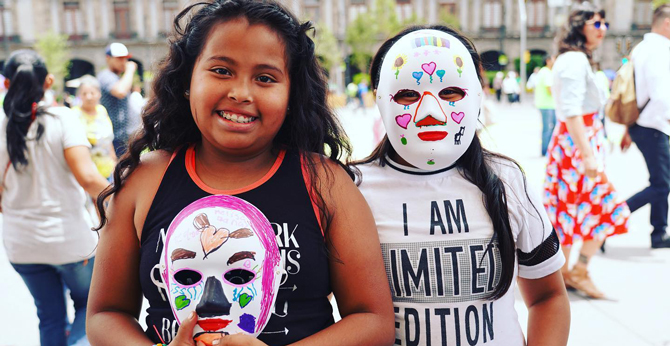
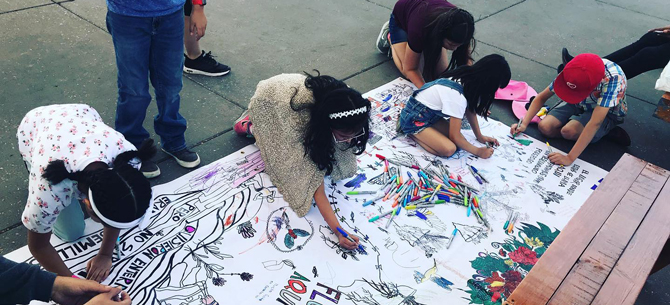
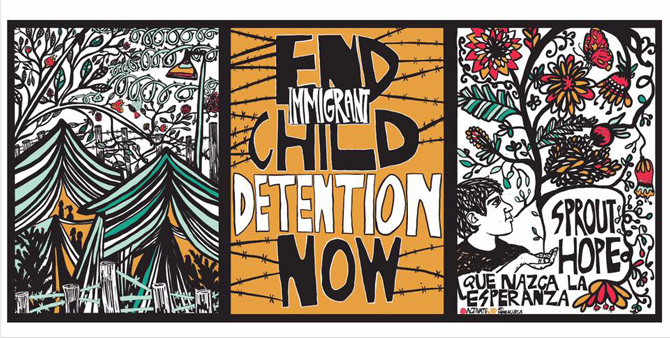
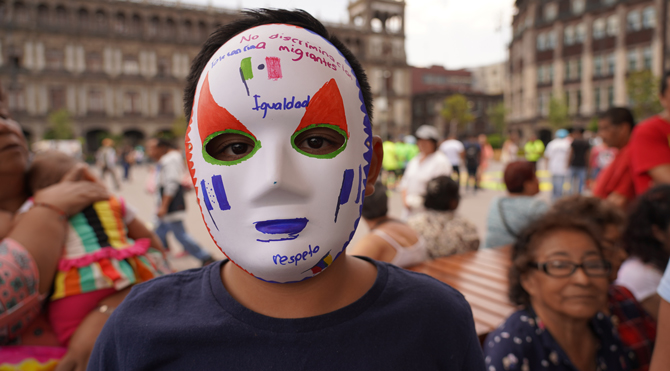
In the past year Activate has led over 20 such peace activations, where they literally take up public, politicized space—such as public plaza in Mexico City, or near one of the largest and most infamous migrant detention centers in Texas—and infuse it with a festival-like atmosphere complete with activities such as karaoke, dancing, face painting, and communal art projects. Some of these locations are places where even the most basic human needs are rarely met, much less the intangible ones.

“In the same way that violence and policies that cause pain aren’t accidents—they’re engineered—we can design peace and bring what’s valuable and important into a public space through a creative and arts-based message,” she said.

She spoke of an event a few months ago, just around the time when the world was learning of the deplorable conditions in the U.S.’s migrant detention centers, when Activate Labs organized a peace activation outside one such detention center in McAllen, Texas. A young boy, maybe 5 or 6 years old, whom she said was among the children who had been separated from their families at the border, stood in line to get pizza at peace activation.

“So the kid finally got his pizza, I’m standing by the banner we brought for an art project, and he literally looks up at it and says ‘whoa.’ He hands me the pizza and just starts coloring,” Monica recalled. “The idea that self expression is not a powerful human need is just foolishness. Creative expression and the chance to see our problems from a different place—that’s something we need, and when we don’t have it, it’s more precious than food.”

AN EARLY CALL TO ACTION

Whereas many of Monica’s friends growing up decorated their walls with pictures of teen dreamboats ripped from the pages of TigerBeat magazine, Monica’s were adorned with pictures of orphans and starving children from the pages of National Geographic.

“I have always known my calling, even when I was 12 years old,” she said. “I didn’t have all the tools for understanding, but I wanted a place for these kids and I wanted to think about them.”

The youngest of 11 children, her family emigrated to Southern California when she was 5, having left their home in Communist Romania where they faced religious persecution. Growing up, she said her father modeled what it meant to live an empathetic life—she vividly remembers one occasion of him serving a fancy meal to roofers who were working on their house—and she said short-term service trips with her church gave her the chance to gain a sort of perspective that many 12-year-olds don’t have the opportunity to experience.

Today, Monica is trying to make the work she does a normative experience for her own two children; she said that her daughter, who is 9, has come to border towns to visit refugees with her many times in her short life.

“She’s been a part of people’s healing because she’s a cute girl and she’s funny, but she ‘gets the memo’ that these are humans,” Monica said. “It’s creating a culture of treating people differently, and it’s very intentional.”

Her work frequently keeps her on the go. She gave this interview during a break at a conference in Cancun, Mexico, and a few days later would be leaving for another in Kenya. She currently has projects running in Central and South America, and over the summer, Monica, her kids and her husband—whom she credits with making possible the global nature of her work—recently left Southern California for Washington, D.C. to be closer to a greater concentration of peacebuilding organizations.

She believes Activate Labs is at a critical juncture—its services are in demand and people are eager to join in on its efforts—but as with many grassroots organizations, how to take the group to the next level isn’t so clear. This is a large part of what brought her to GATHER.

“You can feel it—we need to grow because this kind of empathy and centering around people who are impacted is needed in the world. I know more people want to be a part of it and I need to figure out a way to grow for that reason,” she said. “What GATHER gave me is the inertia to think bigger.”

Among her big concerns is keeping in line with their values as they grow. She spoke of a recent incident where she was contracted to do consulting for a government peacebuilding organization, but the arrangement fell through because of their work with migrant caravans and fears that she might be too liberal of a partner while the Trump administration is in the White House.

And while she pondered whether she should erase all of her social media and references to ending the separation of migrant families, she received wise counsel from a friend:

“He said, ‘You probably won’t get business relationships you want because of who you are, but you’ll get the relationships and opportunities that you need because of who you are,’” she recalled. “That gave me solace.”

Perception is at the heart of so much of the work Monica does, and core to that is taking what could be seen as a hindrance—whether it’s pain of the past, anxiety, or being a hurricane of energy—and channeling it toward the good. When asked what keeps her up at night, she pushed back against the idea that such a level of anxiety was normal or okay, and shifted it to what she saw as a more valid question.

“The real question is what keeps me going, and I’m passionate about shifting power and getting to a place where we can see each other, and how we work in this world is kind and compassionate, and giving and open,” she said. “Anxiety is useless toward the good; it takes on a velocity-filled form and becomes a force of nature. My passion for peace is a force of nature that someone will have to deal with.”

This series highlights our 2019 GATHER Fellows. To learn more about the inspiring social change that Monica and our other Fellows are working towards, check out #FollowtheFellows on Facebook, Twitter, and Instagram.

What is Camp like? Nineteen new Seeds tell it like it is

What does it mean to be a Seed? To eat with, canoe with, and bare your soul to strangers—“enemies,” even—over multiple weeks at a Camp in the middle of rural Maine?

It’s an incredibly difficult question for most Seeds to fully articulate, but fortunately, taking on the difficult—the “impossible,” even—is what Seeds of Peace is all about.

In the following video, originally posted on the SOP19st Instagram account on Christmas Day, 19 Seeds from around the world give their honest, heartfelt, and certainly raggedy (a term used in dialogue sessions that means going beyond the superficial and getting real) takes on topics like meeting with the “other,” their best and most difficult moments at Camp, and why they wanted to come to Camp in the first place.

The video was conceived of and created by the two 2019 Seeds behind the Instagram account, which has become a popular platform for Seeds and counselors to share their Camp experiences and to reconnect. The Instagram account creators both live in the Middle East, but have asked to remain anonymous for now to avoid any misconceptions about bias that might discourage more Seeds from sharing their stories. (They have, however, expressed interest in revealing their identities once they hit 600 followers.)

The goal of the video, said its creator, was partially to give uncensored insight about the Camp experience to those who are considering applying, as well as to be a beacon to help bring Seeds back to what matters most.

“Whenever time passes, we feel the distance between us and our friends and Camp,” the video’s creator wrote in an email. “Some had already moved on and totally forgot about Camp, so it was time to remind them about the experience and their friends.”

The video was created at the expense of studying for final exams and socializing with friends, but was an act of love that the video’s maker said was well worth the sacrifice.

“At the end, this video is for teens around the world, to encourage them to join and have this unforgettable experience. This is the way we can change. This is what we can do.”

Mumbai went into lockdown, and two Seeds went to work

MUMBAI | While Covid-19 may have brought much of the world to a standstill, for many Seeds, it was also a call to action.

Among the changemakers answering that call were Keya and Alina, two Indian Seeds whose actions have given thousands of impoverished people in Mumbai access to items that are key to preventing spread of the Coronavirus.

“I decided that if I couldn’t get to Camp, I would at least try and bring some Seeds of Peace spirit here to Mumbai, India, where it’s desperately needed,” Keya, a 2018 Seed, recently wrote.

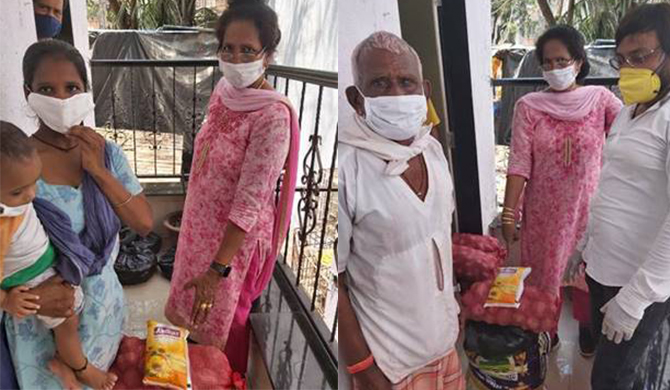
In the spring, Keya launched a five-day campaign to raise enough money to buy 25,000 washable cloth masks. She was involved in the process from design to distribution—tweaking a prototype of a mask to find the most effective model, teaming up with artisans left unemployed in the lockdown to give them three weeks of work making the masks, and partnering with a local NGO to deliver the masks along with food rations.

In the end, she raised enough to buy 32,100 masks and was recognized as Mumbai’s “youngest COVID warrior” by a local radio station.

Alina, a 2019 Seed, received 138 donations totaling over $13,000 (her original goal was around $660) raised for Habitat for Humanity. Her efforts secured enough funds to deliver 45,176 Family Essential Kits (with items like flour, rice and oil), and 20,438 Hygiene Kits (handsoap, disinfectant, masks, sanitary napkins, etc.) to approximately 60,000 families.

She said that being able to help so many people sparked something in her, “something that I have been yearning to feel ever since I returned from the Seeds of Peace Camp in 2019. And that is, a feeling of purpose.”

“When I realized that I couldn’t wait for someone else to solve the problems that so many Indians are facing, I came to the decision that I had to chip in as much as I could, no matter how small the scale.”

Alina and Keya talked about how their seemingly humbled goals ballooned into successes beyond their imaginations, and shared advice for others looking to follow in their footsteps. Their comments have been lightly edited for clarity and length.

Where did the idea for your project come from? Why did you take on this particular challenge?

KEYA: The swift lockdown in India caught us all off guard, but hit daily-wage workers harder than anyone else. These people were stranded thousands of miles from home, with no source of income and no savings to fall back on. This was only the beginning of the COVID-19 outbreak in India and we had already started to see community efforts to distribute food rations in slum communities and to migrant workers.

I read about how masks, any mask at all, could help curb the spread of the virus, and I started thinking about how I could do my bit in the city. I realized that the slums—where often six to seven people share a 10-by-10-foot room and where there are common community toilets—would be a flashpoint for the virus. These people would be hit hardest if they contracted the coronavirus, and wearing masks would be an effective way to protect them.

At the time, most non-profit organizations didn’t have the bandwidth to take on mask distribution—they had their hands full with food rationing. Seeing that masks would be a long-term need, I decided to single handedly take this challenge on.

ALINA: The Alpha Urbane Project, a youth organization that has done some great work over the past few years organized this fundraiser for Habitat for Humanity (HFH), and they approached me following the outbreak of COVID-19 in India. I had been thinking about how to do my bit, and this possibility came at the perfect time. Moreover, Habitat for Humanity was the NGO that I felt most strongly towards, due to their unwavering commitment to the cause of distributing healthcare and essential kits, funded by many teenagers who took up such campaigns.

Were you surprised by the results of your efforts?

ALINA: My initial goal for the fundraiser was 50,000 INR (about $660) which I thought was a stretch. I didn’t think I would get enough supporters, since most people were already backing other NGOs or finding other ways to contribute. However, when I surpassed my goal within a few hours, it gave me the drive to keep going. This fundraiser has completely exceeded my expectations. I am so grateful that these funds will help those who are facing the greatest challenges during this lockdown due to the pandemic.

KEYA: It was definitely terrifying to make a bold claim that I would raise enough money for 25,000 masks over a period of five days, but I also knew that putting a strict time frame and a stiff fundraising target would give the cause the momentum it needed. And it was such a headrush when the donations came pouring in. Not just the money, but also congratulatory calls from people I didn’t know who encouraged me and empowered me to keep going.

On the fifth day of my drive, I received a call from a local Mumbai radio station inviting me on the air to talk about my project. That helped me to reach out to a larger audience, and although I had already met my target by day five, I ended up extending my fundraiser by two more days to collect money for 8,000 more masks.

When all of this was done and I had caught my breath, I reached out to everyone who contributed, in ways large and small, to share the rewarding knowledge that we had all been a part of something much larger than ourselves.

Did your Seeds of Peace experience or your identity as a Seed help inspire or prepare you for this in any way?

ALINA: Absolutely! Seeds of Peace widened my horizons drastically. Before Seeds, my contributions ranged from donating clothes and books to supporting local charities. Seeds of Peace enabled me to think bigger, because big change is sprouted from equally big movements. It made me see the world in a different way, and made me realize that each individual has a voice that matters and can make a difference. Being a Seed is a prominent part of my identity, and it fuels my spirit of wanting to help.

KEYA: It was first at Seeds of Peace that I realized that young people can be powerful agents of change and that there is always scope to make a difference. Camp opened my eyes to the power of dialogue to better understanding, and how to be a part of the solution. I saw that there were enough people in my city who, like me, wanted to help but didn’t know how. I thought that this fundraiser for masks would be a great way to mobilize my community towards a common cause—something that I learned at Seeds of Peace. I was so far from Pleasant Lake and the spirit of togetherness that infects you at Seeds of Peace. This was my way of reminiscing about the best summer of my life—and paying it forward in a little way in my city.

What advice would you give to other young people looking to help out in their communities right now?

KEYA: Be alert to the need and make sure that your campaign answers that need. For example, generating employment for out-of-work migrant workers and distributing masks to protect very poor communities was a clear need in India. Then, make a beginning.

The first step is always the hardest but if you’re willing to ask for help, you learn a lot and it gets easier. Trust the Process—the Seeds way. Start by setting a clear goal and a tight timeframe for your project. Keep your communication clear and use social media to enlist the support of everyone you know, as well as don’t know. You’ll be surprised at how the universe reaches out to help you when you’re doing good work.

I also think it’s important to follow up and update your donors so that they can actually see the impact they’ve made. I wanted my donors to own the cause and share its credit with me. Remember to send out photos, personalized thank-you’s, and updates on your progress. Be inclusive—this is a great way to build a community of changemakers whose support you can count on even in the future. Think big, even if you have to start small.

ALINA: My fundraiser really underscored the position of privilege that I am in. I knew that I would have to do extensive research about the problem, so that I could help mend the cracks in so many parts of my country, India. So my first piece of advice to someone looking to help their community would be to take the time to understand the nuances of the problem in detail before you jump in and try to solve it.

Another piece of advice would be to find something that motivates you to help. Ask yourself: what is your driving force, and how does it encourage you? My motivation stems from my deep-rooted inspiration and love for my father. He worked in the corporate world, but he always found a way to amalgamate philanthropy into his work. When you have a solid reason pushing you to help, even at times when things don’t work out the way you want them to, your driving force will keep you going.

July 2020 Notes from the Field Newsletter

Dear Seeds of Peace Community,

Since I was 12 years old, I’ve spent every summer at camp, first at my Scout camp in Pennsylvania and for the last decade at youth peace camps in the US and the Middle East. This year, I was hoping to visit the Seeds of Peace Camp in Maine for the very first time.
I’ve heard so many stories about Camp as the transformative focal point of the Seeds of Peace journey. For thousands of youth around the world, the dialogue huts, group challenge course, bunks, and dining hall have been places of growth and discovery.

Most of all, I’ve heard about “the Field”—a reference to Rumi’s poem and the literal and metaphorical space where young leaders meet across lines of difference.

“Out beyond ideas of wrongdoing and rightdoing, there is a Field.
I’ll meet you there.” – Rumi (1207-1273)

In the Field, Seeds develop understanding and respect for one another—even those they’ve been taught to hate or fear. In the Field, they gain the skills and confidence to work side by side in creating a “world as it could be.”

I’m excited to be in Maine next summer when it’s safe to gather in person again. But the Field extends far beyond Camp to the many places where Seeds live and work for change.

I’m proud to introduce this Notes From The Field newsletter. At least once a month, we’ll share organizational updates and stories from across the Seeds of Peace community to keep you connected to our work, and to one another, as we rise to meet this challenging moment in our world.

With hope,
Josh
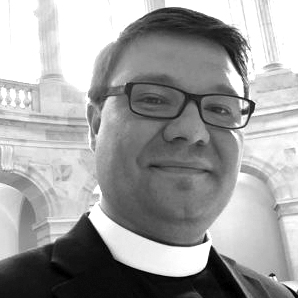
Fr. Josh Thomas | Executive Director, Seeds of Peace


2019 Seeds reflect on Camp

What does it mean to be a Seed? In this video created by Seeds, they give their honest, heartfelt, and certainly raggedy (a term used in dialogue sessions that means going beyond the superficial and getting real) takes on topics. These include meeting with the “other,” their best and most difficult moments at Camp, and why they wanted to come to Camp in the first place.


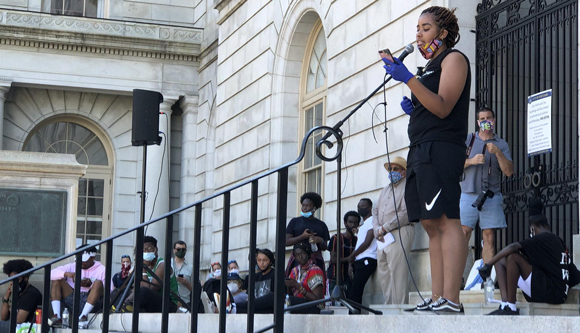
Maine Seed Gracia speaks at a Juneteenth rally in Portland (photo courtesy Fred Bever/Maine Public)

Alumni respond to BLM, COVID-19

Here are a few ways Seeds of Peace alumni have been supporting the Black Lives Matter movement as well as responding to the Coronavirus pandemic in their communities over the past few months:

Black Lives Matter

Shelby (2003 American Seed) co-authored an opinion piece in the Portland Press Herald calling for legal reforms that would make it easier to hold police officers more accountable for their actions.

Gracia and Christina (2017 Maine Seeds) organized a Juneteenth celebration and protest in Portland, Maine, that was attended by around 1,000 people.

Micah (2004 American Seed) is working with conductors in the Washington, D.C., area to start a local branch of Justice Choir, and co-organized the “Juneteenth Solidarity Sing for Black Lives.”

Over 130 Seeds and their peers in seven countries have attended online Seeds of Peace programming centered around racial justice, racism, and the Black Lives Matter movement.

Read about more Seeds working for racial equality and justice ››

COVID-19 Pandemic

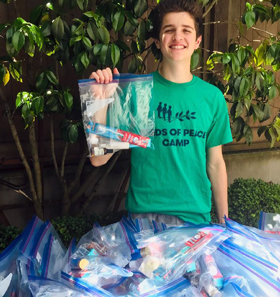
Charlie (2019 American Seed) is helping those in his community who are homeless by providing them with basic hygiene supplies. By teaming up with local businesses, he was able to donate 200 individual Ziplock bags with soap, a toothbrush, toothpaste, and homemade hand sanitizer.
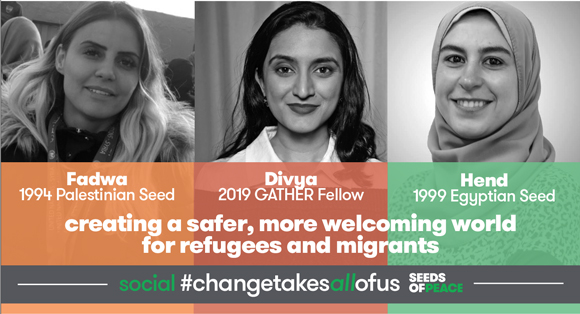
Keya (2018 Indian Seed) and Alina (2019 Indian Seed)
launched community COVID-19 support campaigns. Keya raised funds to buy 25,000 washable cloth face masks for people living in Mumbai’s slums. She was involved in the process from design to distribution, and exceeded her goal by raising enough to buy 32,100 masks.

Meanwhile, Alina raised over $13,000 (her original goal was around $660) for Habitat for Humanity, which supplied 45,176 Family Essential Kits (with items like flour, rice and oil), and 20,438 Hygiene Kits (handsoap, disinfectant, masks, sanitary napkins, etc.) to approximately 60,000 families.

Nas (2019 GATHER Fellow) raised over $127,000 as of July 16 and has provided thousands of meals for frontline health care workers and the food insecure through the Migrant Kitchen, a social impact catering company that employees refugees at livable wages.


#ChangeTakesAllofUs

Change comes in many packages. It’s an Afghan teacher using education to upend generational cycles of poverty, a young Black woman organizing for racial justice in the whitest state in America, and a Palestinian doctor fighting to ensure that all patients receive equal care.

All next week, we will bring you the voices of a unique tapestry of changemakers through #ChangeTakesAllofUs, a social media campaign featuring Seeds, Fellows, Educators, and staff members as they re-imagine approaches to the world’s most pressing issues.

Here’s a preview of the campaign ››

These are voices not just from dreamers, but from doers: people who are working in the fields of health care, education, social justice, law, politics, journalism, the arts, and NGOs to build more free and inclusive systems in their corners of the world. History shows us that social change happens when leaders work across all sectors of society to challenge, re-imagine, and then build new systems.

Across political, economic, generational, and cultural divides, the voices we’ll share will demonstrate that #ChangeTakesAllofUs, including you.

Throughout this campaign we’ll offer opportunities to sign up for virtual discussions with our alumni, engage with changemakers, share your story, and learn about ways you can support or join Seeds of Peace programs.

Follow Seeds of Peace on Facebook, Instagram, and Twitter to hear their stories and join us in re-imagining the world as it could be.


Upcoming events

Educators Course (July 20-August 13): Educating in a Diverse Democracy.
• Virtual Camp (August 9-16): We’re taking Camp online! Stay tuned for an update in the next newsletter.


‘Who’s gonna bring the change?’ Pakistani Seed hosts dialogue for changemakers

What’s better than youth taking part in Seeds of Peace dialogue? When Seeds use their facilitation skills to create opportunities for more youth in their communities to do the same.

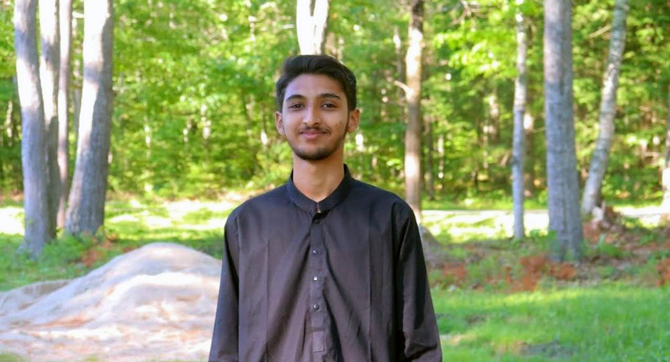
Not long after attending Seeds of Peace Camp in Maine, Samir, a 2019 Pakistan Seed, conceived the idea of a program that would allow opportunities for more youth to get a taste of the transformative power of dialogue that he had experienced.

“I honestly felt enlightened after my dialogue and felt that I had the power to change the world,” Samir said. “I still carry that power, and I am not ready to let go of it. I will pick myself up if I fall down, because if not me, then who’s gonna bring the change?”

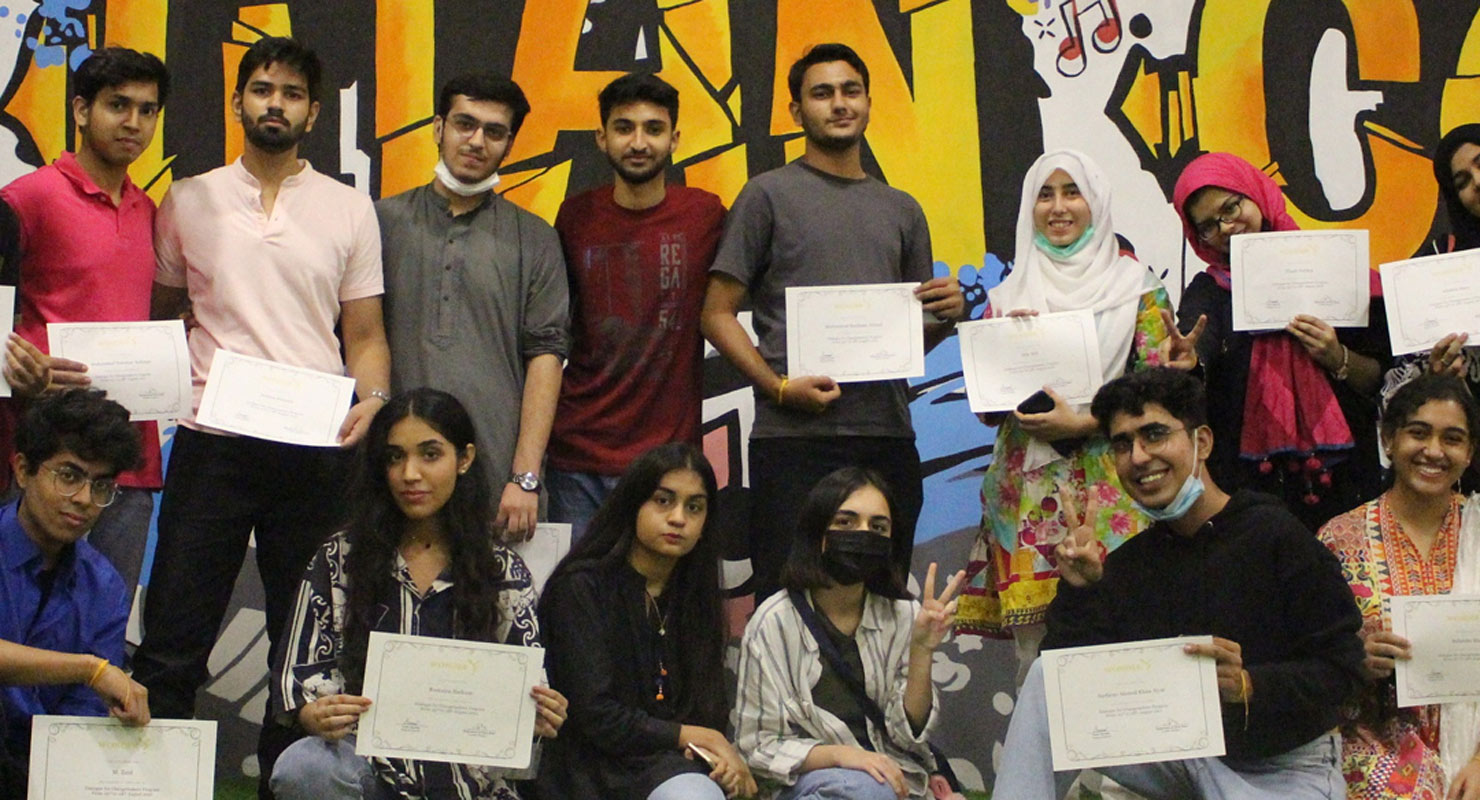
Earlier this summer, with the support of 2018 Seed Ali Haris and the Wonder Y Academy (which Ali founded), Samir organized and hosted “Dialogue for Changemakers,” a six-day dialogue program for teenagers.

The in-person program took place at Titan College in Karachi and was completely student-run, including with several volunteers who participated in the Seeds of Peace 2021 Pakistani Youth Leadership and Dialogue Camp. Thirteen students (selected from a pool of 50 applicants) explored complex topics like religion, culture, nationality, and gender within Pakistani society while learning the fundamentals of dialogue in a supportive environment.

“You bond in a different way with your dialogue group because you speak your heart out without the fear of being judged,” Samir said. “That kind of comfort is not available for people

out there. So, I wanted this space to be a safe space for them and the people to be there for each other as support systems so they can hold each other in the tough times we find ourselves shackled in.”

It is especially during these challenging times, Samir said, that it is most important for youth to hear opposing viewpoints and learn from one another.

“Dialogue is an alien term to many Pakistanis,” said Hana Tariq, head of curriculum for Beyond the Classroom, which partners with Seeds of Peace to run local programs in Pakistan. “Seeing Seeds like Samir creating safe spaces for dialogue in the most meaningful way possible, is the change we wish and hope to see.”

Learn more about our South Asia Programs ››

Postcard Profile from Camp:
Ryan (2022 Maine Seed)

Ryan spent this spring applying to two positions: a camper slot at the Seeds of Peace Camp and a member of the Maine State Board of Education.

He landed both.

“I’m really interested in bringing about education policy change,” says the 15-year-old rising junior. “I think we need to create a more diverse curriculum and hire teachers and administrators that reflect the diversity within our communities.”

Ryan is from Hampden, a town outside of Bangor, and attends Hampden Academy, a public high school.

He was one of six semifinalists selected for one of two youth seats on the state Board of Education. Ryan was then nominated by Gov. Janet Mills and confirmed by the Maine State Senate, where he now represents the entire 2nd Congressional District on the board.

The advisory panel, which makes education policy recommendations to the legislative and executive branches of the state government, is made up of 12 members, including two students. Ryan will now serve a two-year term lasting until he graduates from high school, attending monthly meetings in August and virtual meetings of the student voices committee and student cabinet.

“I’m looking to use the power I have to make schools more equitable and work for every student,” he says.

Ryan had heard about the Seeds of Peace Camp from a friend who is a Seed. She told him that her Camp experience had been one of the most influential experiences in her life. So when his school principal wrote him about applying to Camp, he jumped at the opportunity.

“I wanted to learn skills I need to impact change, and learn more about other people’s experiences,” he says. “And Camp has been a really great experience. I’ve gotten a chance to learn about how people live around the state, hear a lot of different voices from across Maine.”

“From what I saw during the equity and education discussions here at Camp, it’s clear that even at schools with a majority people-of-color population, teachers and administers don’t reflect that diversity.”

Ryan credits dialogue sessions and the Community Action initiative at Camp for helping him gain skills that he can carry forward.

“Some of the tools we’ve learned have been useful in planning out how to create change. Active listening, for example, has been a really good skill that was reinforced here at Camp. Same with exercise in how to think out problems as a group and build solutions.”